The Biggest AI Myth About Building Products
I nearly didn't write this article, not because I was out of things to write, but because I'm mentally exhausted from the constant job applications. I'll definitely find time to share my whole experience after being laid off, but today's article is about something I find worrying with tech influencers, designers, engineers, and founders.
I'm sure you've seen these takes somewhere before:
Distribution is the new moat because anyone can build software with AI.
Taste is the new moat because AI can generate good UI.
So in the age of AI, what's the moat when it comes to digital products?
I remember talking to my wife about this and she asked me, "What's a moat?" That's when I realized it's a niche term. Think of a moat as what gives your product a lasting advantage, what makes you stand out from your competitors and makes it difficult for them to catch up. The term was popularized by Warren Buffett.
So back to our influencers... lol.
I've been seeing a lot of takes about what the "new moat" is when it comes to product building. Two terms stand out the most:
- Distribution
- Taste
Before I tell you what's wrong with these takes, I'd like to explain what they mean and where they're coming from.
Back then, when you were building a product, the focus was on building the technology, with writing code being the most visible part. Fortunately or unfortunately, AI is making that increasingly commoditized. And this is one flaw with these takes. They pick one visible part of engineering or design and make a broad claim based on that.
Why am I saying this?
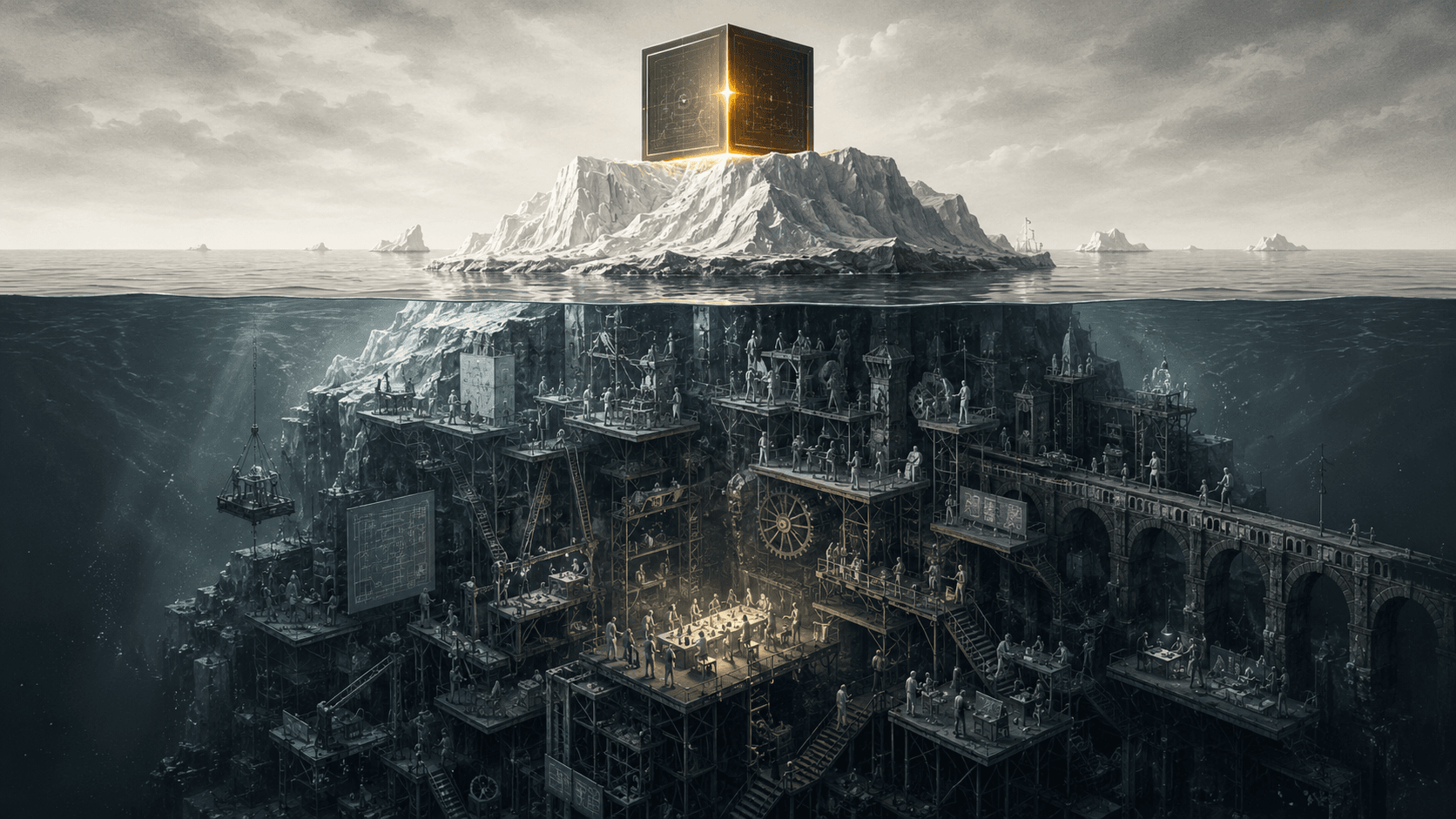
It's true that writing code was part of the deliverables, but that wasn't the actual work. The work was the thinking behind every decision before a single line of code was written, from understanding the problem to designing the architecture and making the tradeoffs.
That's where decisions around scalability, flexibility, robustness, security, and maintainability were made. The code was simply the medium used to bring those decisions to life.
And it's the same principle with design.
Designing UI or prototypes used to be time consuming, but now AI can easily generate interfaces that even match your design system. But the UI was never the actual work. It was the medium for communicating the decisions made behind the scenes.
You're accounting for user demographics and context, user experience, business needs like acquisition, retention, revenue, and referrals, engineering constraints such as team resources, tech stack, and timelines, as well as stakeholder alignment before the UI ever gets done.
That's the part most of these takes miss.
What These Terms Actually Mean
Now what do these terms actually mean? Distribution and Taste.
When you build a product, you need a way to get it in front of your users, and that's where distribution comes in. It's mostly a marketing challenge.
I'm sure you've seen someone build a side project that gets thousands of users overnight just by posting it online. Usually, one of two things happened. Either it went viral, or the person already had an audience that found the product valuable.
And distribution is tricky because most people only think about numbers. While numbers matter, they shouldn't be the only thing you optimize for. People think, "If I get this product to go viral or an influencer talks about it, then I've solved distribution." But that's only one part of it.
You also have to think about the quality of the customers you're attracting. Are they actually your target audience? What's your customer acquisition cost? Is this a short term gain or a sustainable growth strategy?
Now let's pause for a bit because we could go on and on about distribution, but this article isn't about that.
My question to you is this.
Based on just the few things I've mentioned about distribution, do you think it wasn't already a moat before AI? And if it already was, why are people calling it the new moat?
My point is that distribution has always been a moat in product building. That claim feels more like people trying to sound smart in the age of AI commoditizing things like code writing and UI generation, which brings me to the second take: Taste.
What Is Taste?
I think when you look at most of these takes, the focus is on the quality of the visuals. But there's more to it. Think of taste as experience and craftsmanship.
Someone develops good taste through exposure and years of refining their craft. It's the classic "garbage in, garbage out." Whatever you consistently expose yourself to shapes the quality of what you produce.
If you want to consistently produce high quality work, you need the exposure and craftsmanship that only come with time.
That's why people with great taste often get the best results from AI. They understand what makes a product useful, desirable, and valuable long before they start prompting.
Now let's pause once again.
Do you think taste wasn't already a moat before AI?
If it wasn't, why do people keep calling it the new moat?
You see where I'm going with this? These takes don't tell the full story, and my worry is that people jump on the bandwagon without critically thinking about what they're actually saying. There's much more to building a great product. With AI, I think people are losing sight of that because they thought it was always about the technology or the product itself.
I remember seeing someone tweet that they could build Jumia or Shopify in a week. Clearly, that person is only looking at the presentation layer of the product. They've forgotten about distribution, logistics, legal, customer support, sales, operations, and everything else that makes those businesses work.
Even within the presentation layer, they're overlooking architecture, product thinking, and user experience, all of which are built on years of decisions about users, business goals, and engineering tradeoffs.
My point isn't that AI changes nothing. It absolutely changes how we build. But it hasn't suddenly made distribution or taste important. They were already important.
Bottom line: Distribution and taste have always been moats, and they'll continue to be, even in the age of AI.
What do you think? Do you have a different opinion?